Echo Chamber is an environmental storytelling project in Unity that reveals the unsettling story of a kidnapped girl through the design of a single room.
Overview & Scope
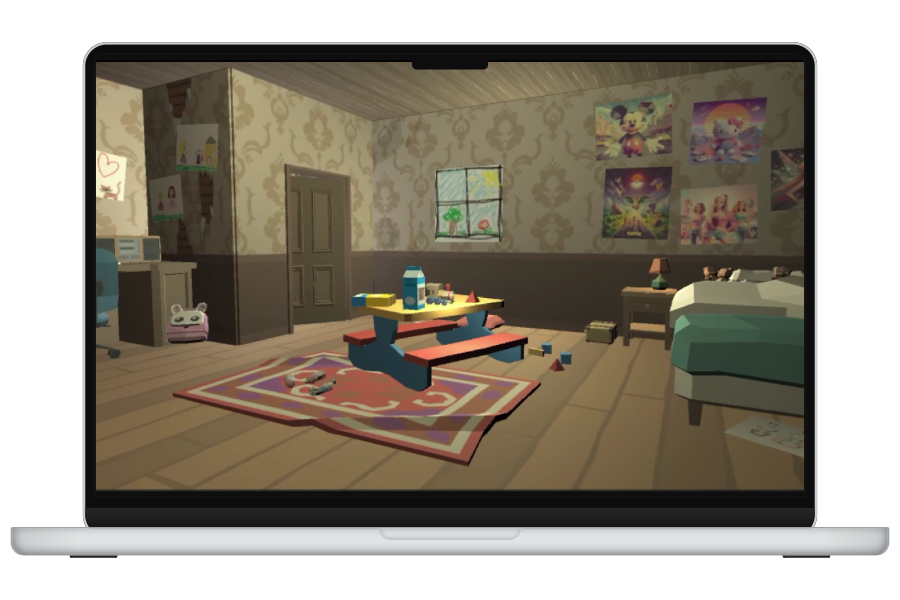
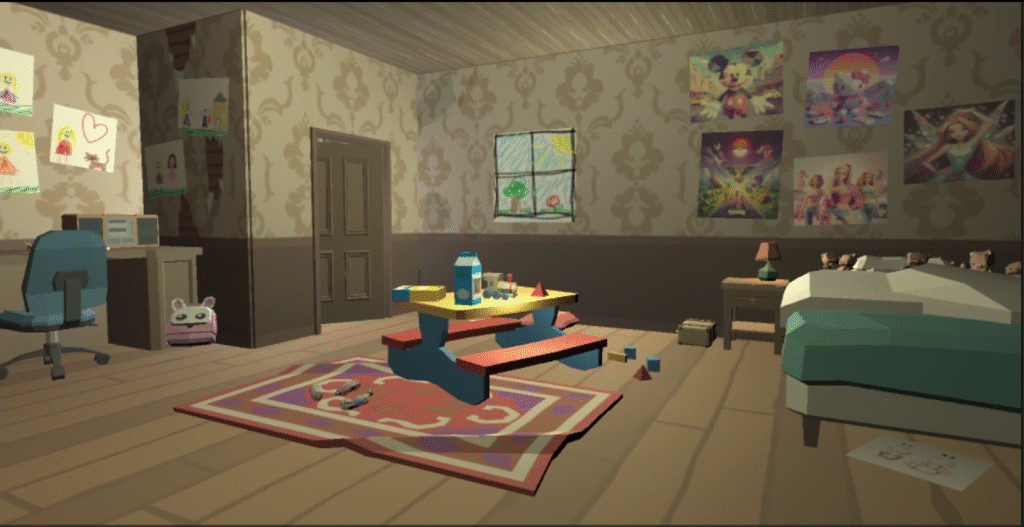
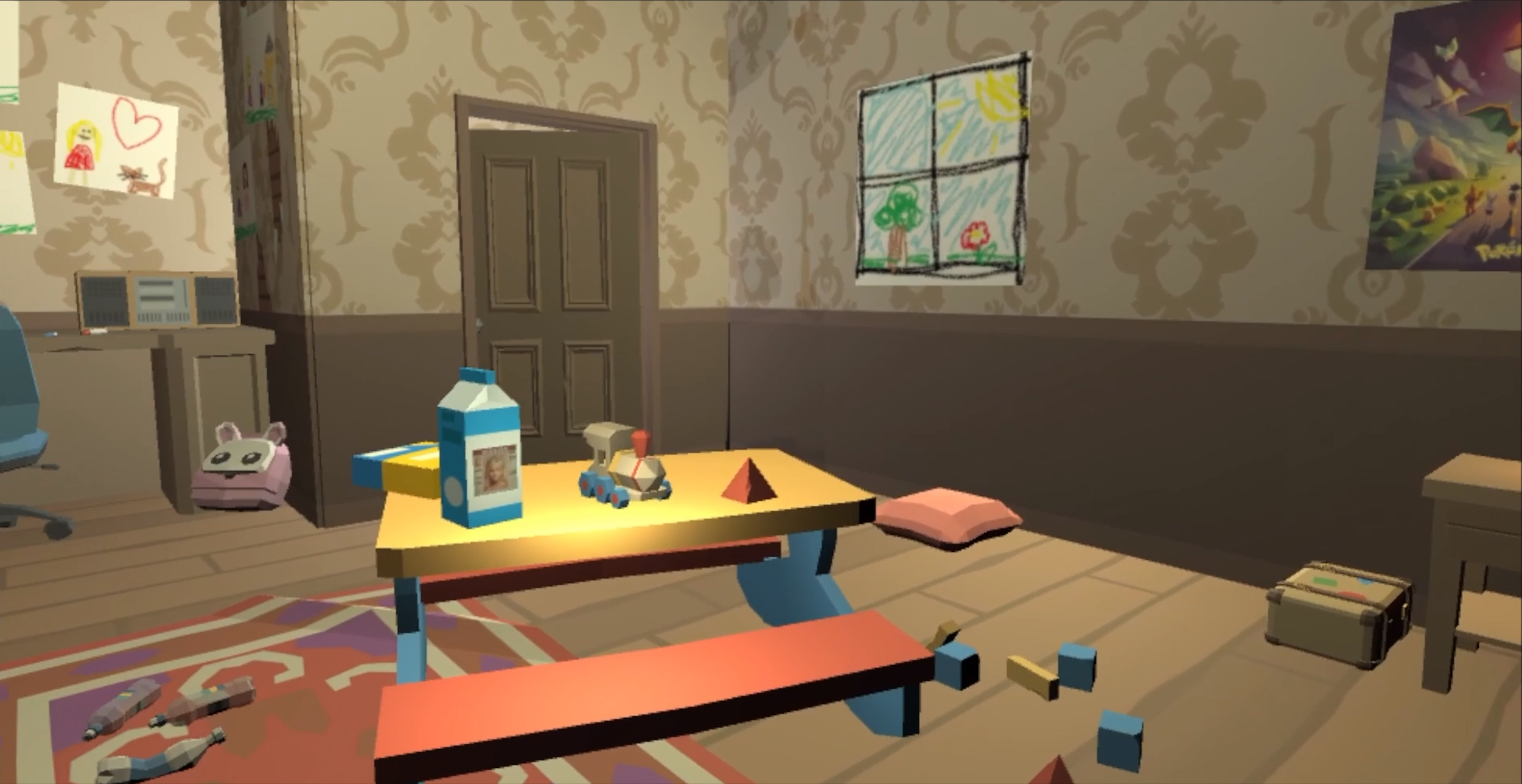
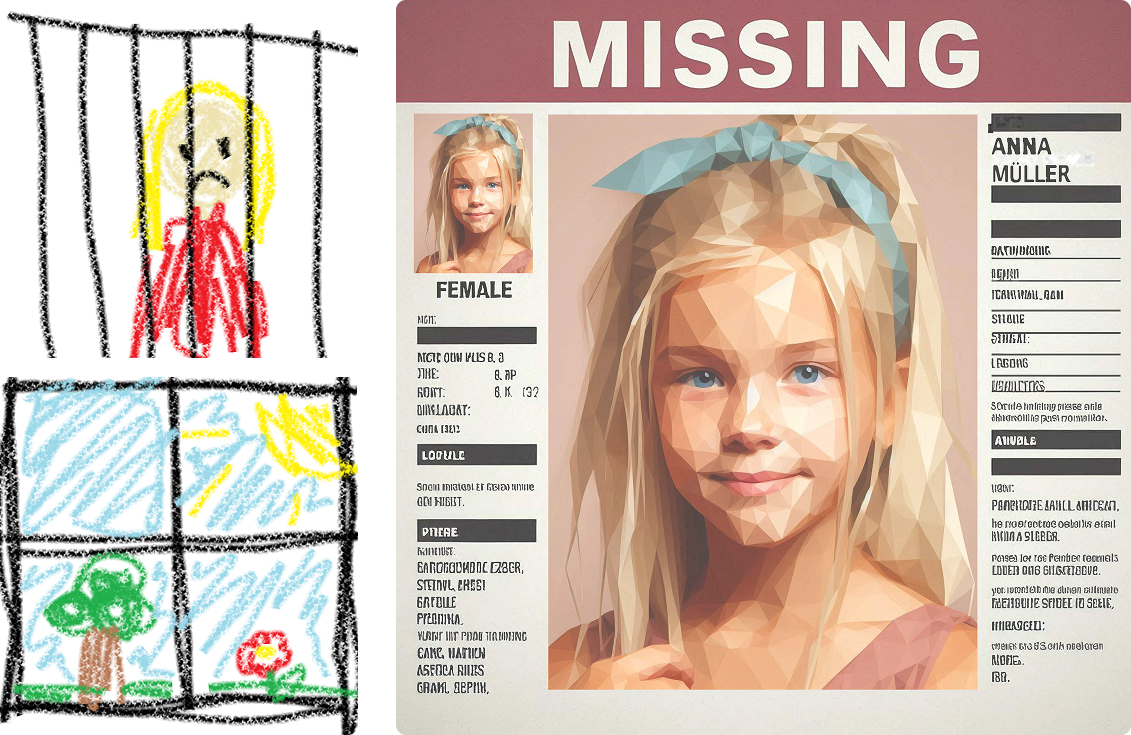
Echo Chamber was created during an environmental storytelling workshop of the summer school from my master studies. The task was to design a single room that tells a story without words. Our team built a children’s room in Unity that, at first glance, looked ordinary but gradually revealed a darker narrative: a kidnapped girl hidden away in a reconstructed bedroom. Through subtle details like toys, posters, and drawings, paired with hidden elements such as a missing person report in a newspaper or on a milk carton, the room unfolded the unsettling story of grief, obsession, and captivity.
Games and virtual environments often rely heavily on dialogue or exposition to tell their stories, which can limit immersion and player engagement. Environmental storytelling, on the other hand, allows a narrative to be discovered naturally through objects, spaces, and atmosphere. The challenge lies in creating spaces that feel authentic, communicate meaning without words, and let players piece together the story through exploration.
The Game
The project is a low-poly Unity game developed by a team of five. It immerses players in a narrative-driven environment, where exploration and observation reveal the story of Claudia and Anna. Through carefully placed objects, drawings, and subtle visual cues, the game encourages players to interpret the events and character motivations themselves, creating an engaging and emotionally impactful experience.
The Story
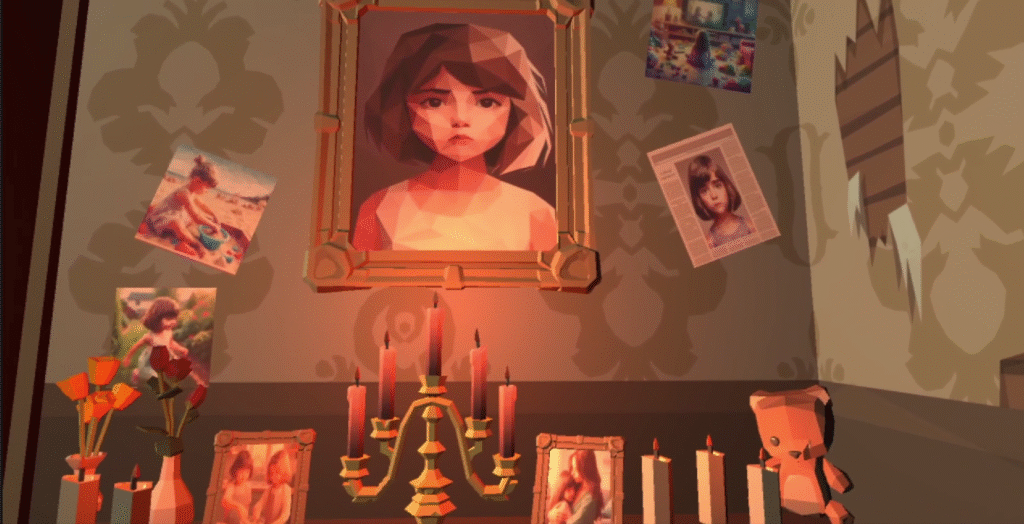
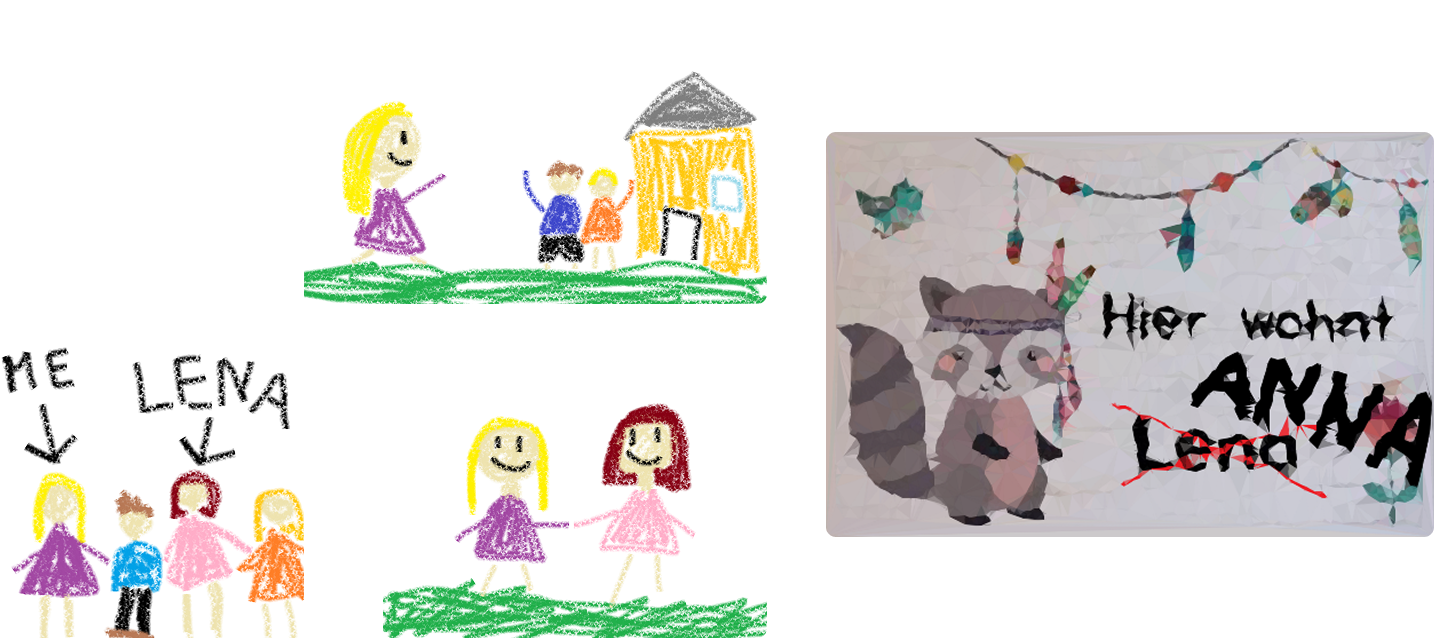
The game tells the tragic story of Claudia Berger, who, grieving the loss of her daughter Lena, kidnaps her late daughters friend Anna and recreates Lena’s old bedroom to relive the past. Players uncover the narrative through clues in the environment that reveal Claudia’s obsession, guilt, and Anna’s captivity.
Narrative Design
At the start of the project, our team brainstormed the concept of the children’s bedroom, defining key narrative elements to shape the environment. We also adjusted our materal, to really fit the atmosphere of the room.
Concept & Planning
Mood Modifiers
Lighting and sound were designed to create an unsettling atmosphere, with harsh light and a looping radio track.
Identity Claims
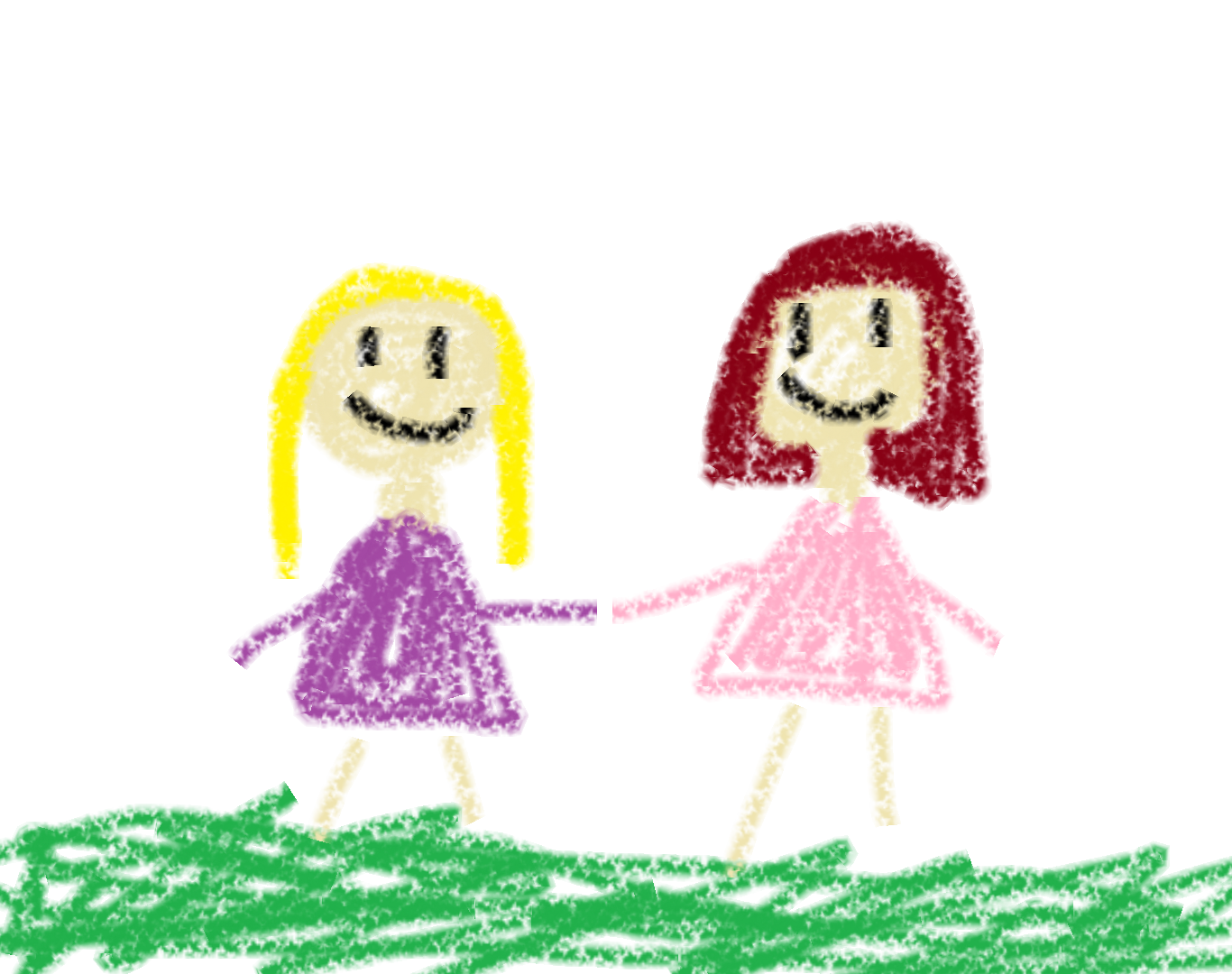
Personal items, photos, and drawings of Lena and Anna, alongside posters and toys, communicated character identity and story.
Behavioral Traces
Hidden objects and subtle details, like newspaper clippings and disturbing drawings, reflected character behavior and past events.
Implementation
The project was realized in Unity, starting with a room from the Horror Mansion Pack, which we adapted to fit the narrative of the children’s bedroom. Furniture such as the bed, wardrobe, desk, and play table was carefully placed to create an authentic and believable environment, with special attention given to making the bed comfortable for Anna. The walls were designed with damaged wallpaper to evoke subtle unease, while cracks were partially covered with posters to reinforce the unsettling atmosphere.
The room was designed to evoke a dark and immersive atmosphere, beginning with the absence of windows. Instead, Anna had drawn a window on the wall, symbolizing her longing for the outside world. A hidden altar was placed behind a wardrobe, created by Claudia to honor her deceased daughter.
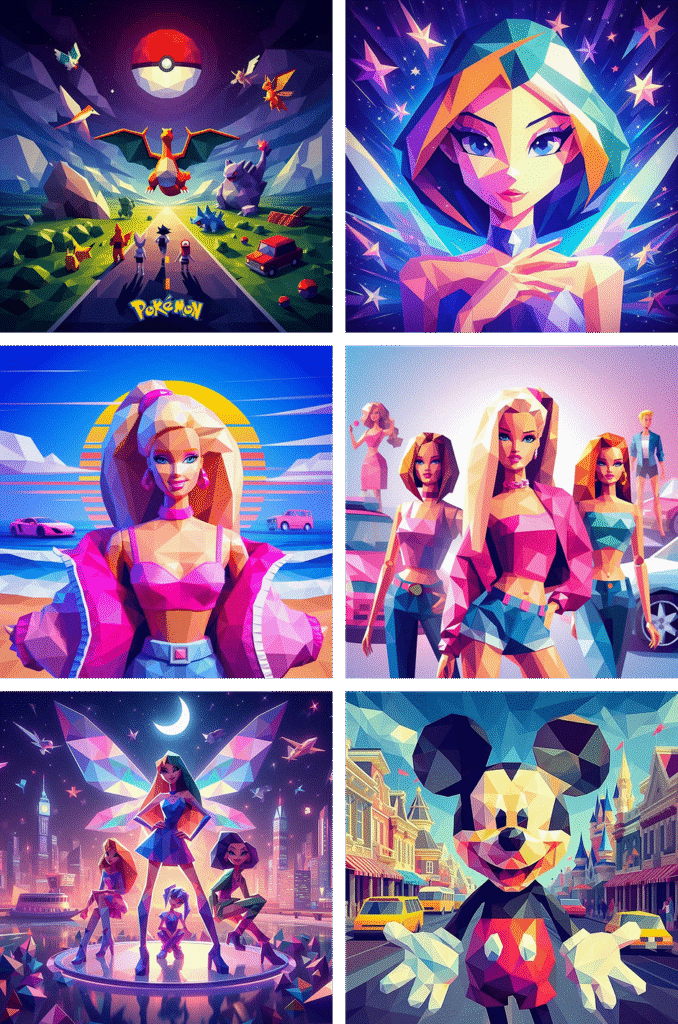
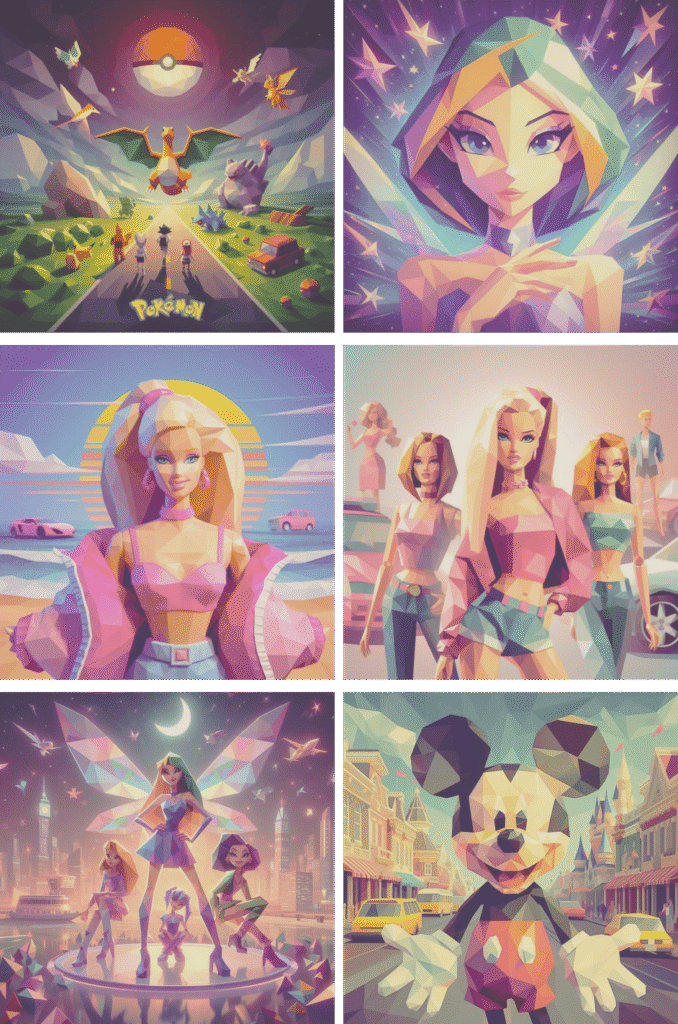
In-scene, the posters and pictures that were created had to be toned down, as to fit the environment.
Posters before editing to fit the environment
Posters after editing to fit the environment
Learnings
This project was an incredibly fun experience. I loved diving into Environmental Storytelling and learning how subtle details in a space can convey a story without words. Since the workshop, I can’t stop noticing how games use environmental cues to tell stories, I find myself exploring every room and object with a storyteller’s eye. This project has truly deepened my appreciation for game worlds and the power of narrative in design.